Boat General Maintenance Guide in Indonesia (2026)
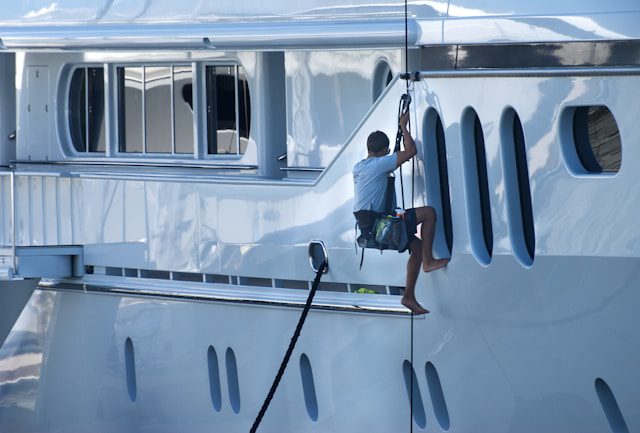
Maintaining a vessel in Indonesia is not the same as maintaining one in Europe or colder climates. The combination of warm waters, high salinity, intense UV exposure, and year-round marine growth creates an aggressive environment that accelerates wear across every part of a boat. Whether operating a private yacht, charter vessel, or commercial boat, consistent and structured maintenance is essential—not just for appearance, but for performance, safety, and long-term cost control.
This guide breaks down the core areas of boat maintenance and how to approach them effectively in tropical conditions.
1. Hull & Running Gear Maintenance
The hull and underwater components are the most exposed parts of any vessel. In Indonesian waters, marine growth such as barnacles and algae can accumulate rapidly, affecting both speed and fuel efficiency.
It’s one of the most important parts of your boat that needs intensive care as it’s the one that is exposed in the water most of the time (except for the time she goes dry docking).
Some common problems include heavy fouling within weeks, especially in extreme tropical water conditions in which marine life can attach your boat easily. Which resulted in the increasing drag and fuel consumption. What’s more is the corrosion on metal components, especially in the running gear maintenance.
The keys of focus areas for the maintenance such as:
- Propellers and shafts
- Rudders and trim tabs
- Through-hull fittings
- Hull surface below the waterline
Maintenance Approach:
Regular hull inspections and cleaning are non-negotiable. For performance-critical vessels, applying a foul-release coating system is one of the most effective solutions to prevent marine growth from bonding to underwater metals. One of the most famous product will be Propspeed which is the trusted propeller coating
For a deeper breakdown of coating systems and application methods, this should link to:
→ Propspeed Application Service in Bali
2. Deck & Teak Maintenance
Teak decks and exterior surfaces define the visual quality of a vessel—but they are also highly vulnerable to UV exposure, salt, and constant foot traffic.
Some common problems that normally occur includes teak turning grey and uneven, surface stains and salt deposits, loss of protective oils, and slippery or worn deck areas. Because compared to other materials, Teak needs intensive care specially around the deck areas.
Key Focus Areas:
- Teak decking
- Non-skid fiberglass surfaces
- Stainless steel fittings
- Deck hardware
Maintenance Approach:
Teak requires a structured cleaning and sealing process—not aggressive sanding, which reduces lifespan. A two-step cleaning system followed by sealing helps preserve the wood’s natural color and durability.
Regular washing and proper tools also prevent long-term damage to deck surfaces.
For a complete process guide, this should link to:
→ Teak Deck Maintenance Guide Indonesia
3. Engine Room & Mechanical Systems
Engine Rooms are the heart of the ship and their mechanical systems are the brains who navigate your ship around the world. So both of these will take most of your time and attention to make sure everything runs smoothly over time. Addressing the common problems include Salt and mineral buildup in cooling systems, Oil and sludge accumulation in bilges, Reduced engine efficiency, Unexpected system failures.
Most vessel failures don’t come from visible areas—they come from neglected mechanical systems.
Key Focus Areas:
- Engine cooling systems
- Bilge areas
- Fuel systems
- Generators and auxiliary machinery
Maintenance Approach:
Preventative maintenance is critical. This includes:
- Regular flushing of cooling systems
- Use of descaling solutions to remove buildup
- Keeping bilges clean and dry
- Routine inspection of hoses and connections
Ignoring this area leads directly to higher repair costs and operational downtime.
For recommended cleaning and maintenance solutions, this should link to:
→ Marine Engine & System Cleaning Guide
4. Exterior Cleaning & Surface Protection
A vessel’s exterior is constantly exposed to saltwater, UV radiation, and environmental contaminants. Without proper care, surfaces degrade quickly.
From the most important inner part of your vessel to the outer part where the main entertainment begins. The cleanliness of your exterior as well as the surface protection is important to make sure your vessel looks good every time, especially when you are sailing. Missing one part, it means oxidation and fading, Black streaks and rust stains, Cracking or discoloration of vinyl
Key Focus Areas:
- Gelcoat and painted surfaces
- Vinyl seating and covers
- Metal fittings and railings
Maintenance Approach:
Routine washing using marine-grade cleaning products helps prevent buildup. Periodic polishing and protective coatings maintain gloss and extend the life of surfaces.
This is not just cosmetic—protective maintenance reduces long-term restoration costs.
For product-specific recommendations and techniques, this should link to:
→ Boat Cleaning & Detailing Products Guide
5. Interior & Upholstery Care
As important as the exterior part, for sure the interior cannot be neglected. Interior spaces are often overlooked, but in humid tropical climates, they can degrade just as quickly as exterior components. We are talking about mold and mildew growth, persistent odors, and fabric deterioration.
Key Focus Areas:
- Upholstery and fabrics
- Carpets and interior surfaces
- Storage compartments
Maintenance Approach:
Proper ventilation and routine cleaning are essential. Using fabric-safe protectants and cleaners helps extend the lifespan of interior materials while maintaining comfort onboard.
6. Preventative Maintenance Schedule
Above all the general maintenance tips and tricks that are listed above, for sure the most important things will be to make sure everything is prevented at all cost before all the problem occurs without us knowing.
Basic Maintenance Framework:
Weekly:
- Wash down exterior surfaces.
- Check visible components.
Monthly:
- Inspect hull and running gear.
- Clean bilges and engine spaces
Quarterly:
- Deep clean teak and deck.
- Polish and protect surfaces
Annually:
- Haul-out inspection
- Reapply coatings and antifouling systems
- Full system servicing
A structured schedule reduces unexpected failures and keeps operational costs predictable.
Final Thoughts
Boat maintenance in Indonesia is not optional—it is a continuous process driven by one of the harshest marine environments in the world.
Owners who take a reactive approach will always spend more in repairs, downtime, and lost performance. Those who implement a structured maintenance strategy will see better reliability, lower long-term costs, and higher vessel value.
Next Step
If you are planning maintenance, refit, or looking for the right products and systems for your vessel, working with a reliable marine supplier ensures you get consistent results and proper technical support.

vm_admin